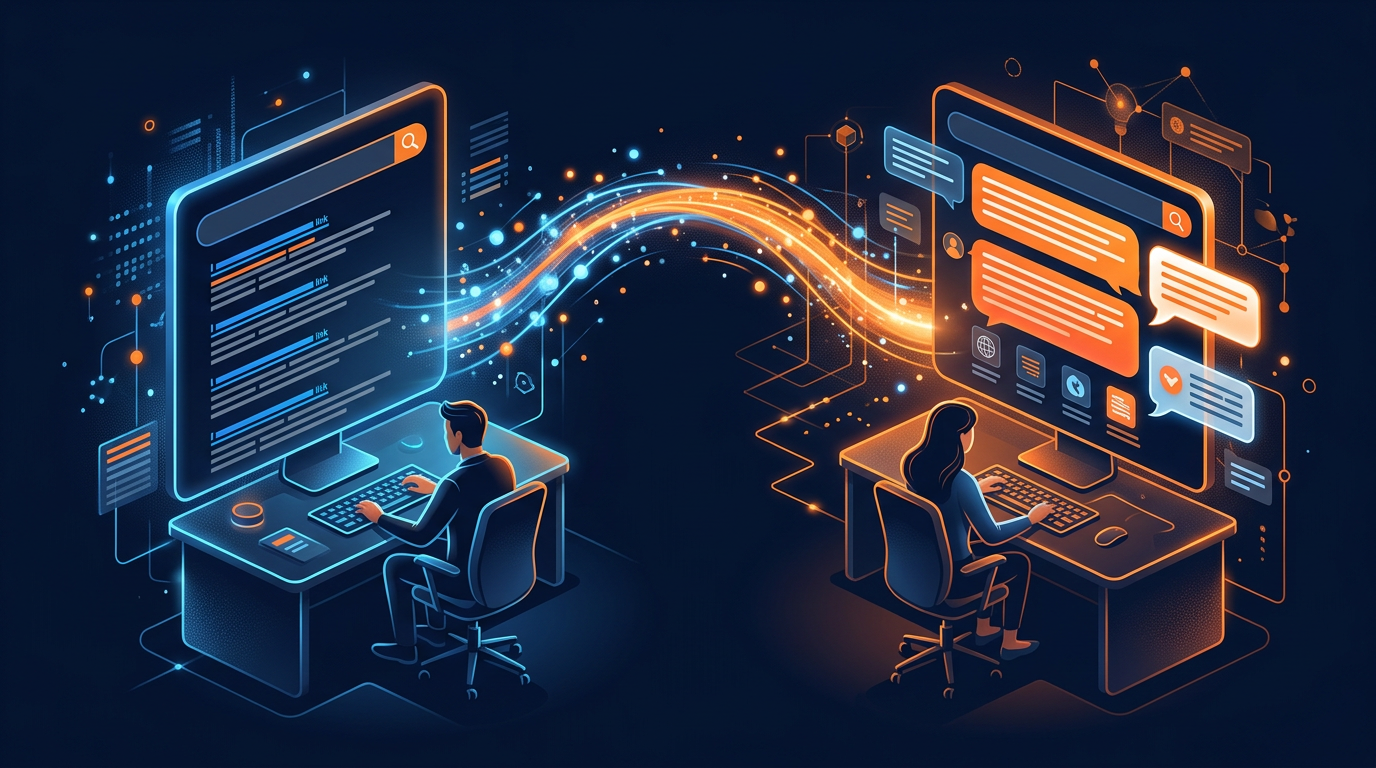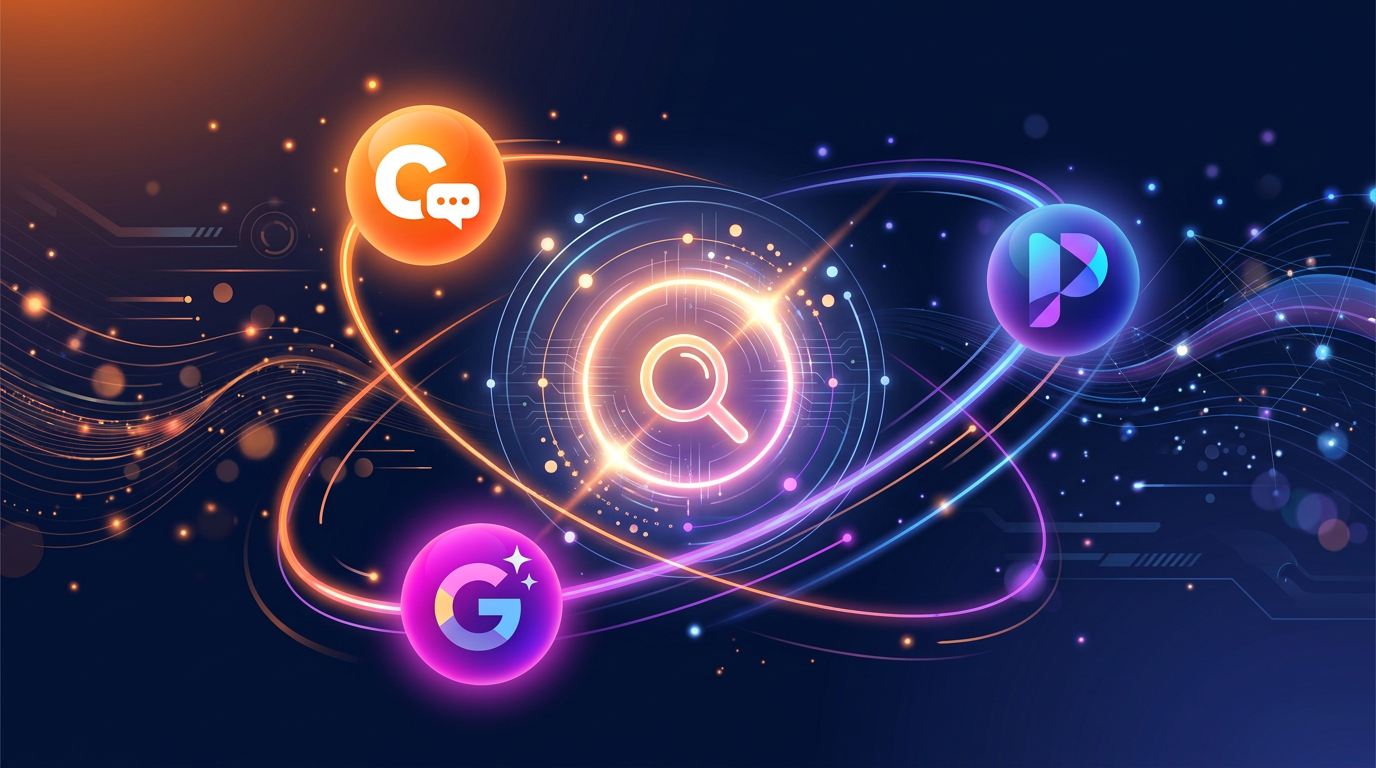

The way people search for information is changing faster than at any point since Google launched in 1998. AI search engines like ChatGPT, Perplexity, Google AI Overviews, Claude, and Apple Intelligence are redefining how users find answers online. For website owners and SEO professionals, understanding these changes is not optional. It is essential for survival.
In this analysis, we will examine the current state of AI search, the major trends shaping its future, and the practical strategies you need to implement now to prepare your website for the AI search era. This is based on data from thousands of websites we have analyzed at AI Crawler Check and insights from the broader AI SEO community.
Before reading further, check your current AI search readiness. Use the AI crawler checker free tool to see if AI search engines can access your content right now.
The Current State of AI Search in 2026
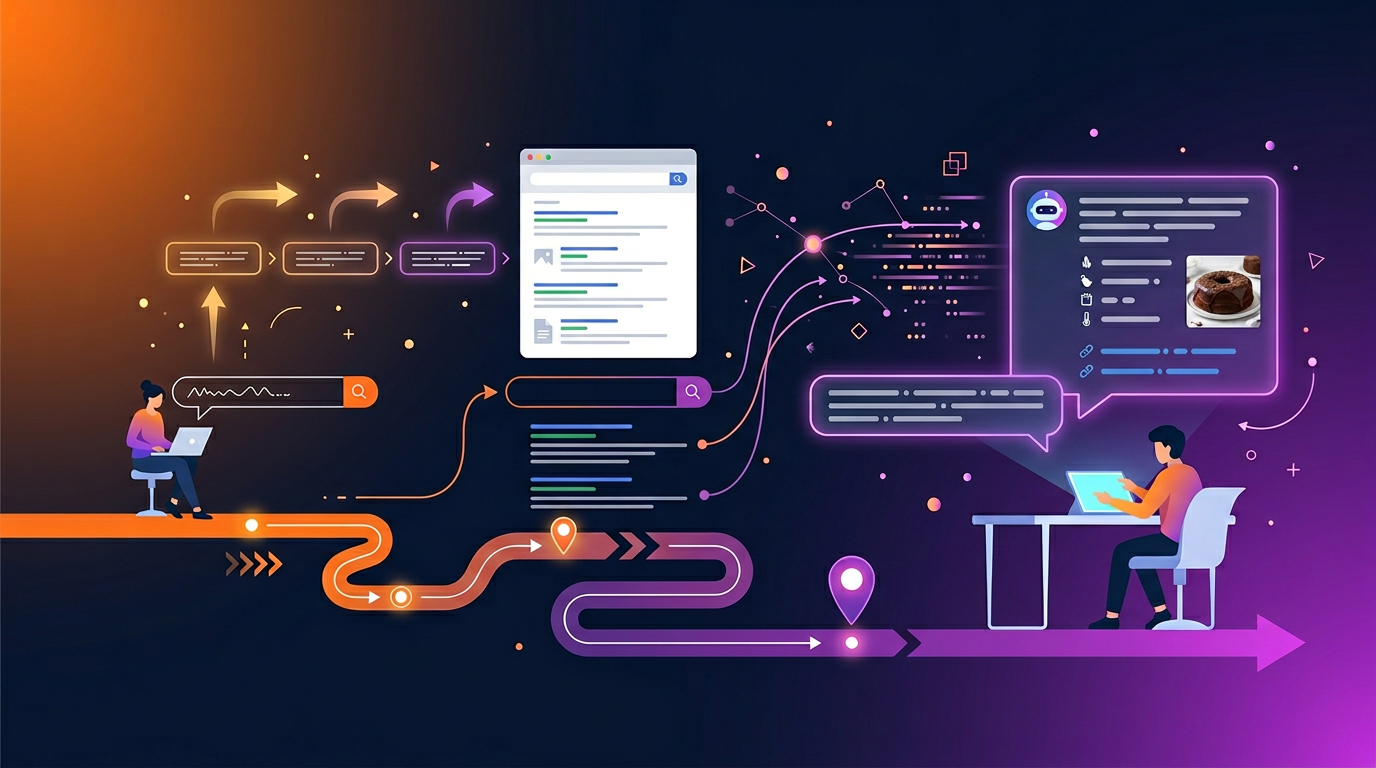
As of March 2026, the AI search landscape has matured significantly from its early days. Here is where we stand:
AI Search Platform Market Share (2026)
*Estimated based on search query volume analysis, March 2026
The key insight is that while Google still dominates, AI-native search platforms now handle roughly 17% of all search queries combined. This number was near zero just three years ago. And within Google itself, AI Overviews now appear on approximately 40% of all search results pages, changing how users interact with traditional results.
5 Major Trends Shaping the Future of AI Search
Trend 1: The Rise of "Zero-Click" AI Answers
AI search engines provide complete answers directly in the conversation, often without requiring users to click through to source websites. This is fundamentally different from traditional search, where users click on blue links to find information.
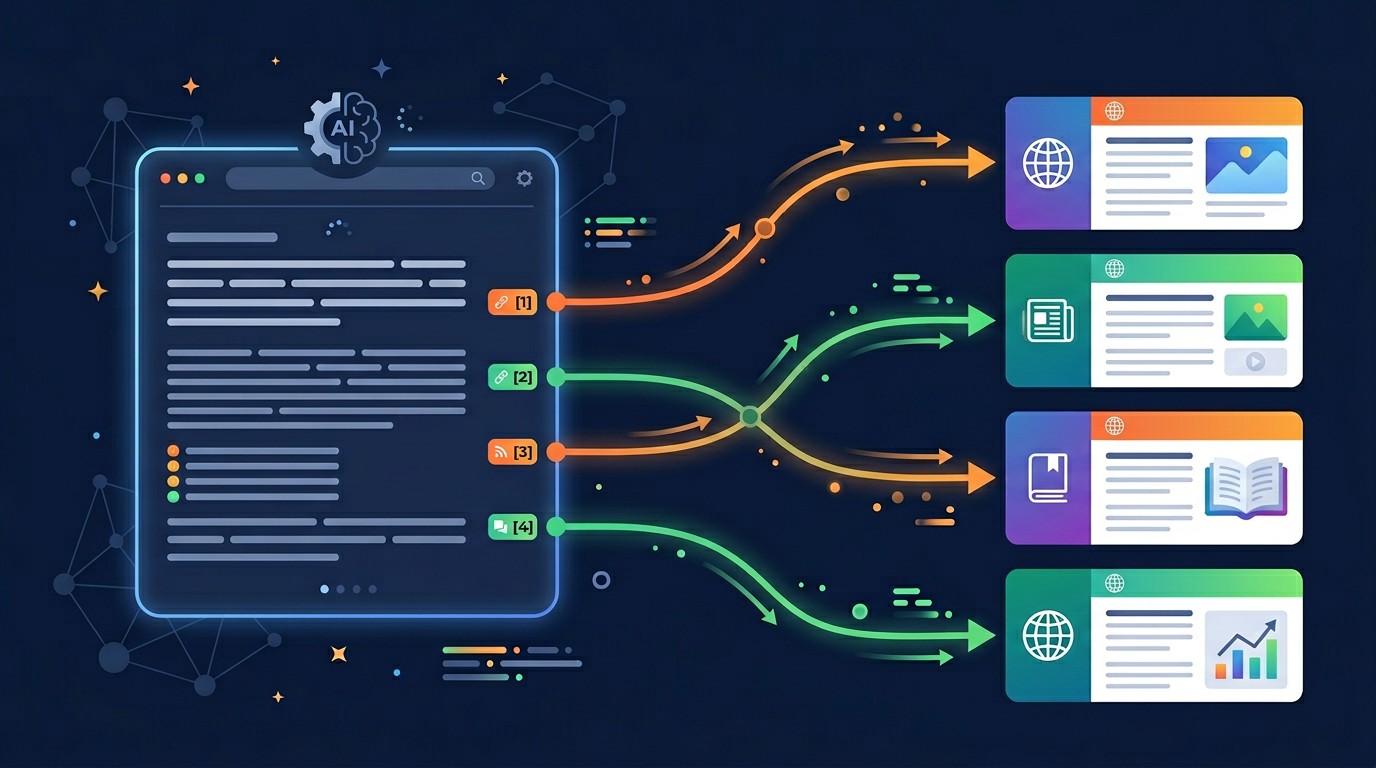
However, the zero-click concern is somewhat overblown. AI search platforms like ChatGPT and Perplexity include source citations, and users frequently click these citations for more detailed information. The websites that get cited in AI answers actually see increased traffic, not decreased traffic.
What this means for you: Focus on being the cited source, not just appearing in results. Content that provides unique data, expert analysis, and comprehensive coverage is most likely to be cited with a link.
Trend 2: Multimodal AI Search
AI search is expanding beyond text. Users can now search using images, voice, and even video. Google's AI Overviews incorporate images and videos. ChatGPT and Perplexity support image-based queries. Apple Intelligence integrates visual search across iOS.
What this means for you: Optimize images with proper alt text and file names. Create video content that AI engines can reference. Ensure your visual content is accessible to crawlers and has proper structured data markup.
Trend 3: E-E-A-T Becomes Even More Critical
As AI search engines become better at evaluating content quality, Experience, Expertise, Authoritativeness, and Trustworthiness (E-E-A-T) signals are becoming the most important ranking factors. AI engines can evaluate these signals across the entire web, cross-referencing author claims, checking citations, and assessing content accuracy.
What this means for you: Invest heavily in author credibility, cite reliable sources, include original research, and build a strong brand presence that AI engines can verify. The era of anonymous, low-quality content ranking well is ending.
Trend 4: AI Search Becomes Personalized
AI search engines are becoming increasingly personalized. ChatGPT remembers user preferences and context. Perplexity tracks search history. Google AI Overviews incorporate user interests. This means the same query may show different sources to different users based on their history, preferences, and context.
What this means for you: Niche expertise becomes more valuable. Rather than trying to rank for broad terms, deep expertise in specific topics makes your content more likely to be cited when AI engines personalize results for users interested in your niche.
Trend 5: New Revenue Models for Content Creators
The AI search ecosystem is developing new ways for content creators to monetize. OpenAI has introduced publisher partnerships. Perplexity has a publisher revenue sharing program. Google continues to evolve its ad products for AI Overviews. We expect more monetization options to emerge by 2027.
What this means for you: Position your content to be eligible for these programs by maintaining high quality, allowing AI crawlers, and building authority in your niche. Early participants in publisher programs are seeing meaningful revenue.
How to Prepare Your Website for the Future of AI Search

Based on these trends, here is our recommended strategy for preparing your website:
Ensure AI Crawler Access Now
Make sure all AI search crawlers can access your content. Use the AI crawler checker online to verify your current status. This is the foundation that everything else builds on.
Invest in Content Quality and E-E-A-T
Create content with clear author attribution, original research, expert insights, and proper citations. This is the single most important factor in AI search success.
Implement Comprehensive Structured Data
Add schema markup to all key pages. This helps AI engines understand and cite your content accurately. Read our schema markup guide for implementation details.
Build Multi-Format Content
Create content in multiple formats: text, images, video, and audio. As AI search becomes multimodal, having diverse content types increases your chances of being cited across different search modes.
Monitor and Adapt Continuously
Track AI referral traffic, monitor new crawlers, and adjust your strategy quarterly. The AI search landscape is evolving rapidly, and staying current is essential for maintaining visibility.
Predictions for 2027 and Beyond
Based on current trends and industry developments, here are our predictions for the AI search landscape by 2027:
AI Search Market Share Reaches 30%+
AI-native search platforms (excluding Google AI Overviews) will handle at least 30% of all information queries. Google's total dominance of search will decline to 60-65%.
Standardized AI Content Licensing
Industry standards for AI content licensing will emerge, similar to how Creative Commons works for image licensing. Publishers will have clear opt-in/opt-out mechanisms with revenue sharing.
AI-Native Content Formats
New content formats optimized specifically for AI consumption will emerge. llms.txt is just the beginning. Expect structured data standards designed specifically for AI engines.
AI Commerce Integration
AI search engines will integrate direct purchasing within answers. Users will be able to buy products, book services, and complete transactions without leaving the AI conversation.
Regulation and Transparency
Government regulation of AI search will increase. AI engines will be required to disclose when they use AI-generated content and provide clearer source attribution.
Key Takeaways
AI search is not the future. It is the present. With 17%+ of queries already handled by AI platforms, optimizing for AI search is essential for maintaining online visibility.
Content quality is the ultimate strategy. Original research, expert authorship, and factual accuracy are the most important factors. AI engines are getting better at identifying and rewarding quality content.
Dual optimization is required. You need to optimize for both traditional Google SEO and AI search. They share many principles but have distinct requirements.
Early movers win. Websites that optimize for AI search now are building authority signals and crawler access patterns that will compound over time.
Prepare for multimodal and personalized search. Diversify your content formats and deepen your niche expertise to maximize AI search visibility.
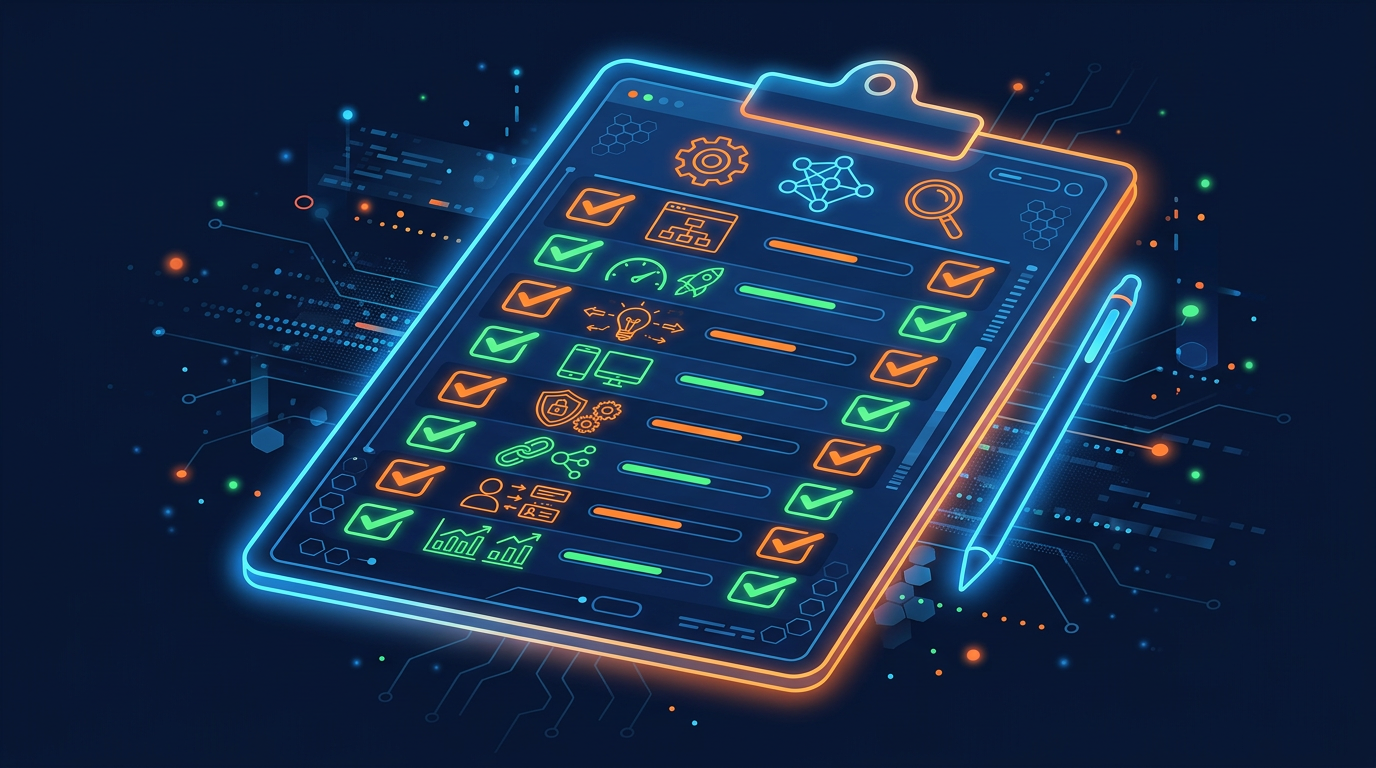
Start preparing for the future of AI search today. Use the AI crawlers analysis tool to check your current readiness. Then follow our AI SEO audit checklist to systematically optimize your website for the AI search era.